Bokeh for beginners

Demystifying the blur of bokeh. What it is, how to get it and creative ways to use it
If you’re relatively new to photography, bokeh is a word you might see a lot. Read on to discover what it is, how to achieve it and how to use it creatively in your photography.
What is bokeh?
Bokeh refers to the aesthetic quality of the blur in the out-of-focus areas of a photograph or video clip. Rather than simply being background blur, good bokeh is characterised by smooth, soft and pleasing transitions between light and shadow.
The term originates from the Japanese word boke, meaning blur or haze, or boke-aji, which means blur quality. In photography, it’s used to describe how a lens renders not just overall background blur but also out-of-focus points of light, which often appear as soft circles or shapes in the background.
Importantly, not all blur is considered good bokeh. Harsh or distracting blur can take away from an image, while creamy, well-rendered bokeh enhances the subject and creates depth.
How to get bokeh in your stills and video
Achieving beautiful bokeh involves a combination of camera settings, lens choice and composition.
1. Use a wide aperture
The most important factor is aperture. A wide aperture (small f-number, such as f/1.2, f/1.4, f/1.8, f/2, or f/2.8) creates a shallow depth of field, which helps blur the background.
- Lower f-number = more blur
- Higher f-number = less blur
If your lens allows it, capture as wide open as possible.
2. Choose the right lens
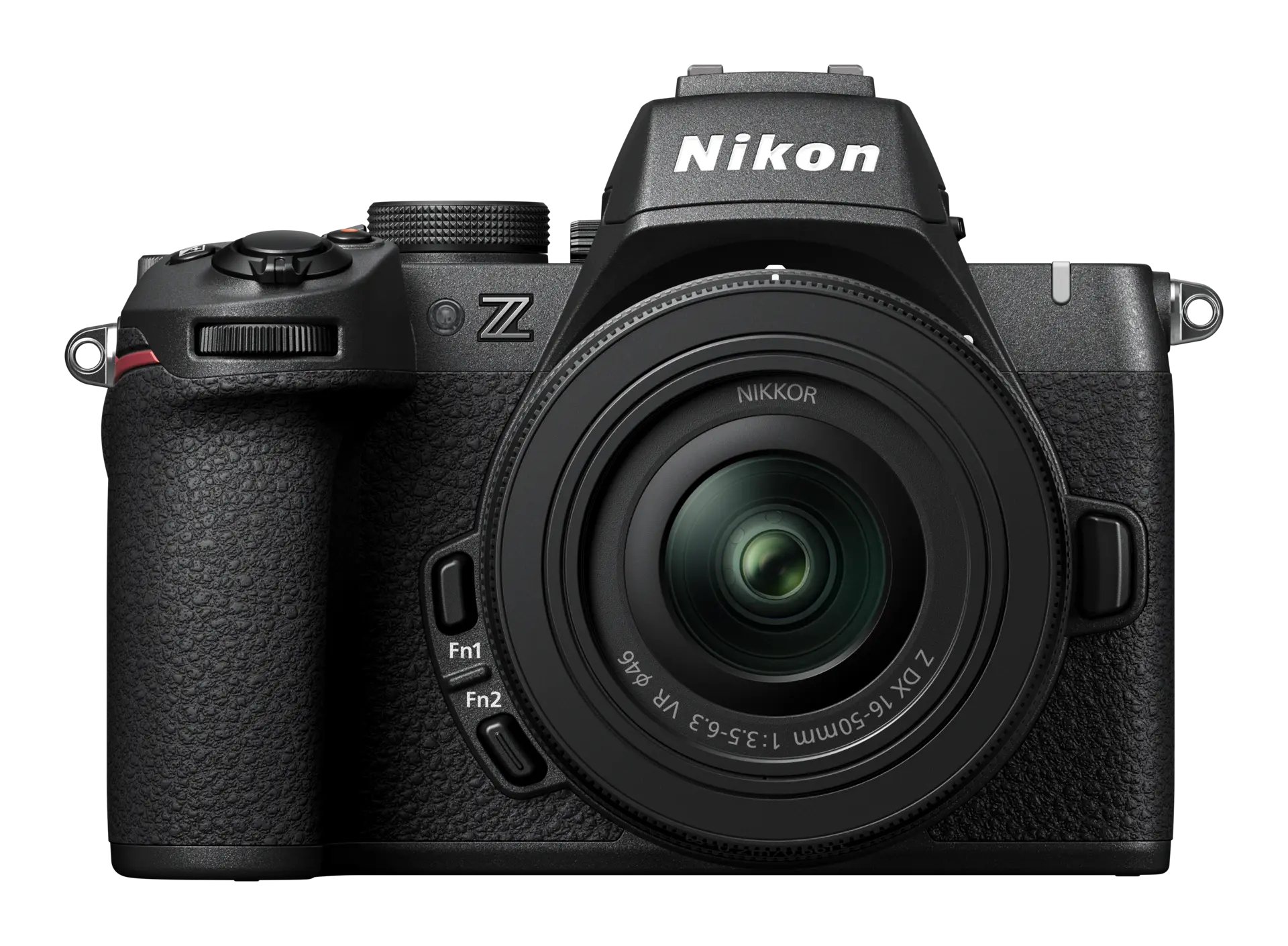
Prime lenses (fixed focal length) are typically better for bokeh than kit zoom lenses as they often have wider apertures. Longer focal lengths (e.g. 85mm, 100mm or 200mm) also compress the scene and enhance the bokeh effect by shortening the perceived distance between the subject and the background.

What’s in our kitbag?

The trees in the background are more blurred the farther away they are from the subject. Nikon Z8 + NIKKOR Z 70-200mm f/2.8 VR S, 71mm, 1/40 sec, ISO 100

3. Increase subject-to-background distance
The further your subject is from the background, the more blurred that background will appear.
For example:
- Place your subject several metres away from trees, lights or buildings.
- Avoid having the background too close behind your subject.
4. Get closer to your subject
Reducing the distance between your camera and the subject increases background blur. This is especially effective in portrait photography.
A simple string of fairy lights turned into bokeh balls adds a party vibe. Nikon Z50II + NIKKOR Z DX 24mm f/1.7, 1/40 sec, ISO 100 © Junior Roberts
5. Look for light in the background
Bokeh becomes especially attractive when there are light sources in the background, such as:
- Fairy lights
- Street lights
- Sunlight through leaves
These points of light turn into soft, glowing circles when out of focus. You can even use pure bokeh as an abstract image by having no in focus subject in the frame. You can read an easy step-by-step guide to creating bokeh circles here.
This wheatfield provides both foreground and background bokeh to keep your attention on the subject. © Christian Amman

Creative ways to use bokeh
Once you’ve mastered the basics, you can start using bokeh intentionally to enhance your images.
Portrait photography
Bokeh is widely used in portraits to isolate the subject from the background. A softly blurred backdrop keeps attention on the person while adding a professional, polished look.
Tip: Position your subject in front of distant lights or foliage for a natural bokeh effect.
Raindrops on a window with blurred out city lights in the background make for a moody composition. Nikon Z50II + NIKKOR Z DX MC 35mm f/1.7, 1/250 sec, f/2, ISO 400 © Antonia Thomsen

Night photography
At night, artificial lights create dramatic bokeh. Street scenes, traffic and cityscapes can all benefit from this effect. Try focusing on a nearby subject while letting distant lights blur into colourful orbs.

Nature and macro photography
In nature photography, bokeh can make flowers, insects or leaves stand out beautifully. Dewdrops, sunlight and reflections in water can create stunning background highlights when out of focus.

Foreground bokeh
Bokeh doesn’t have to be limited to the background. You can also place objects close to the lens to create foreground blur, adding depth and a layered composition.
Storytelling and mood
Bokeh can influence the emotional tone of an image. Soft, warm bokeh can feel romantic or dreamy, whereas bright and colourful bokeh brings life and energy. And remember, bokeh is not just for stills – it’s also an incredibly useful tool in video, where you can use it with intention to support the story you want to tell.
Common mistakes to avoid
- Overusing blur: Too much bokeh can make images look unnatural or distracting.
- Poor focus: Ensure your subject is sharply in focus – bokeh should enhance, not hide mistakes.
- Busy backgrounds: Even blurred, cluttered backgrounds can still be distracting.
A great tool in the box
Used well, bokeh adds depth and emotion to your images and footage. By understanding how aperture, distance and light interact, you can consistently produce beautiful background blur and use it to strengthen your images. Experiment with different lenses, lighting conditions and compositions, and you’ll quickly discover how powerful bokeh can be in shaping your style.
Dive right in


'%3e %3ccircle cx='453' cy='453' r='263' fill='%23FFDD00'/%3e %3c/g%3e %3cdefs%3e %3cfilter id='filter0_df_5839_100698' x='0' y='0' width='906' height='906' filterUnits='userSpaceOnUse' color-interpolation-filters='sRGB'%3e %3cfeFlood flood-opacity='0' result='BackgroundImageFix'/%3e %3cfeColorMatrix in='SourceAlpha' type='matrix' values='0 0 0 0 0 0 0 0 0 0 0 0 0 0 0 0 0 0 127 0' result='hardAlpha'/%3e %3cfeOffset dy='1.66516'/%3e %3cfeGaussianBlur stdDeviation='0.832579'/%3e %3cfeComposite in2='hardAlpha' operator='out'/%3e %3cfeColorMatrix type='matrix' values='0 0 0 0 0 0 0 0 0 0 0 0 0 0 0 0 0 0 0.25 0'/%3e %3cfeBlend mode='normal' in2='BackgroundImageFix' result='effect1_dropShadow_5839_100698'/%3e %3cfeBlend mode='normal' in='SourceGraphic' in2='effect1_dropShadow_5839_100698' result='shape'/%3e %3cfeGaussianBlur stdDeviation='95' result='effect2_foregroundBlur_5839_100698'/%3e %3c/filter%3e %3c/defs%3e %3c/svg%3e)


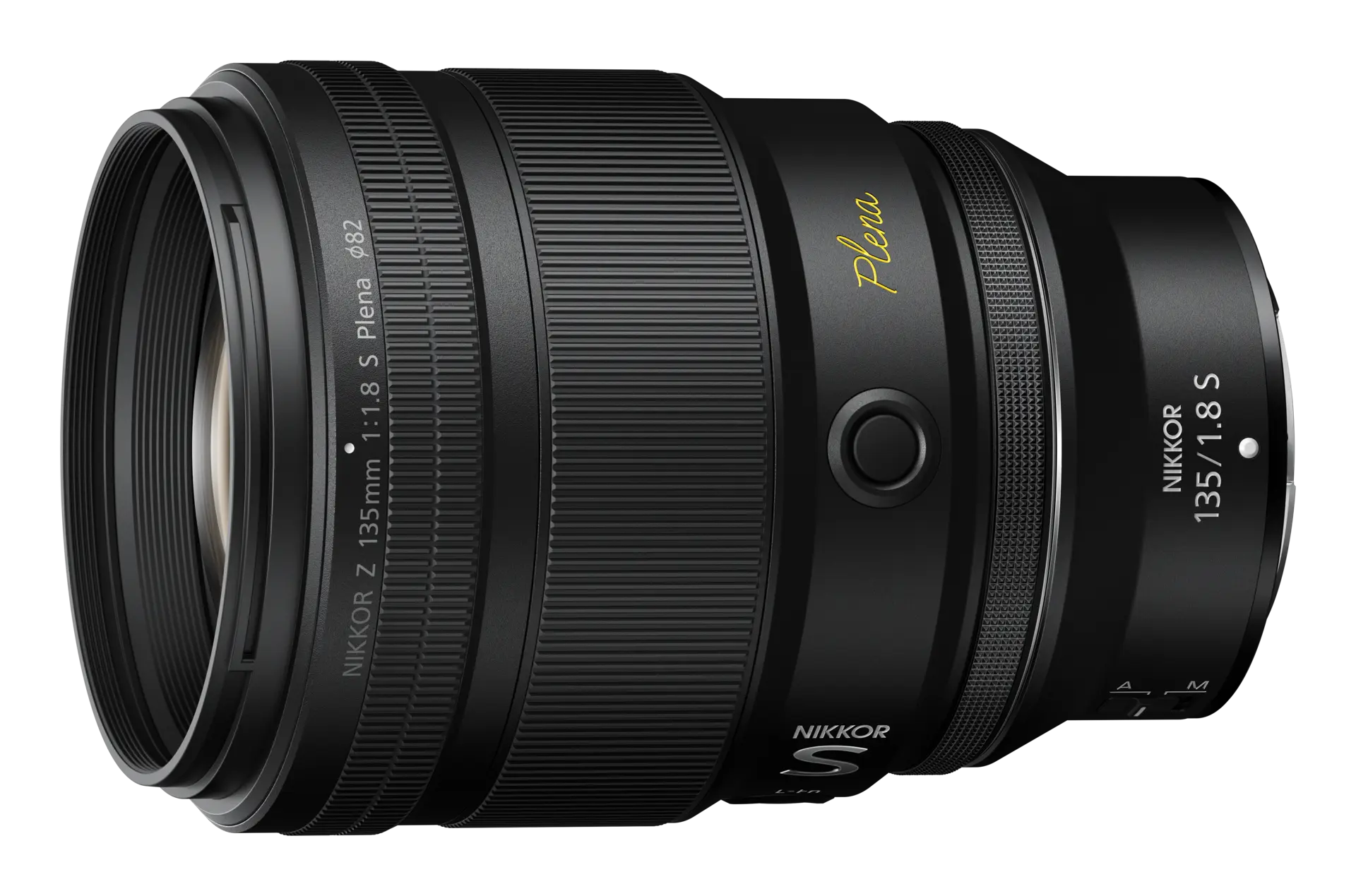
Discover the NIKKOR Z DX MC 35mm f/1.7


Unlock greater creativity